

-
-
South Africa, Morocco and Eqypt lead new installations, as total installed capacity hits 11.1 G
-
Africa now has 186 GW of planned wind capacity across more than 250 projects
-
Africa could reach 30-50 GW of installed wind capacity by 2035
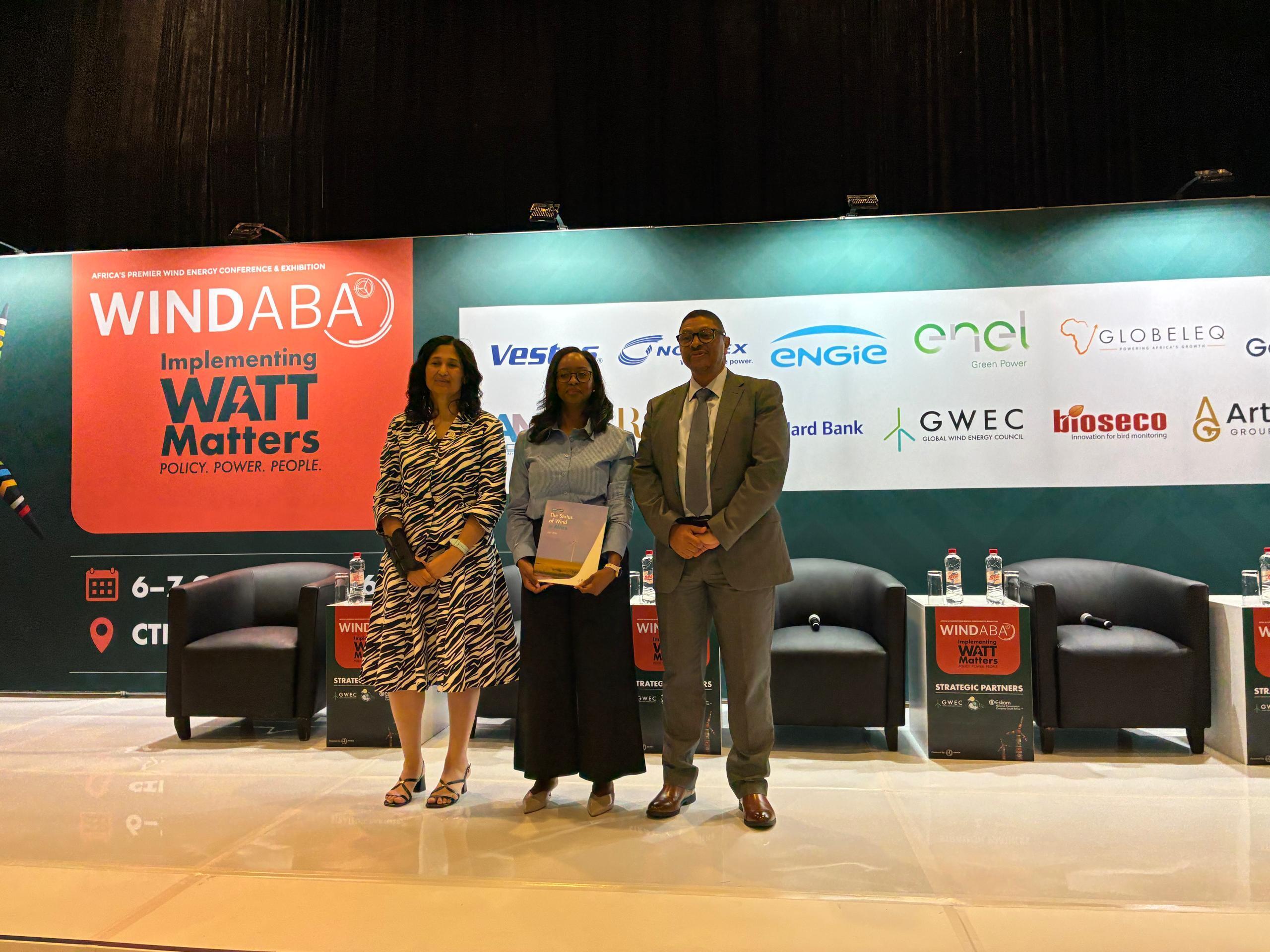
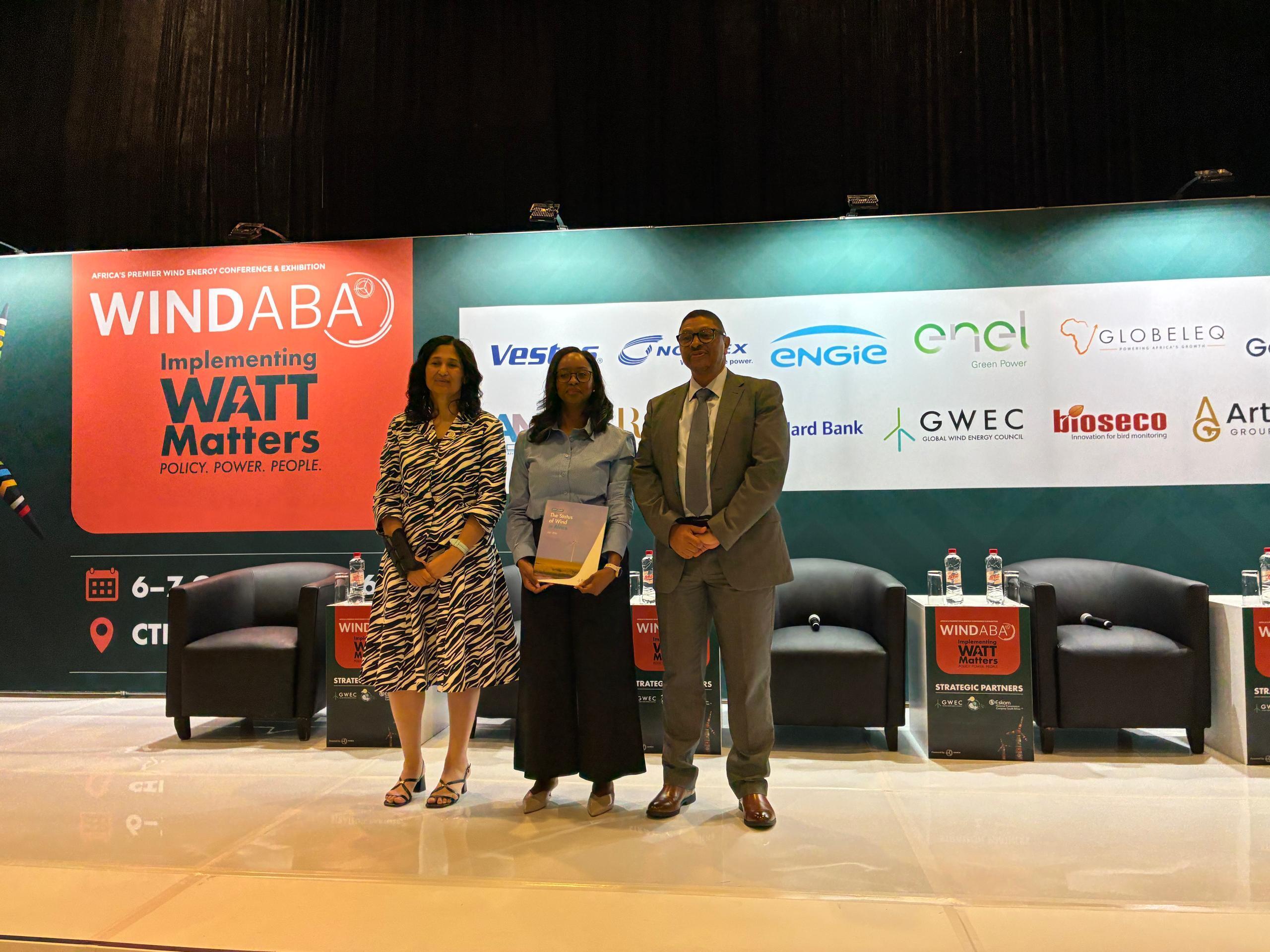
Cape Town, 7 October 2026 | Africa’s wind sector is entering a new phase of expansion with rising corporate and industrial demand driving a growing pipeline of bankable projects, according to GWEC’s latest report, The Status of Wind in Africa, published today.
The report shows that Africa’s wind sector is moving from a story of potential to one of execution, with record annual installations, larger projects, new financing models and growing demand from industrial and corporate buyers creating new opportunities for the sector to scale.
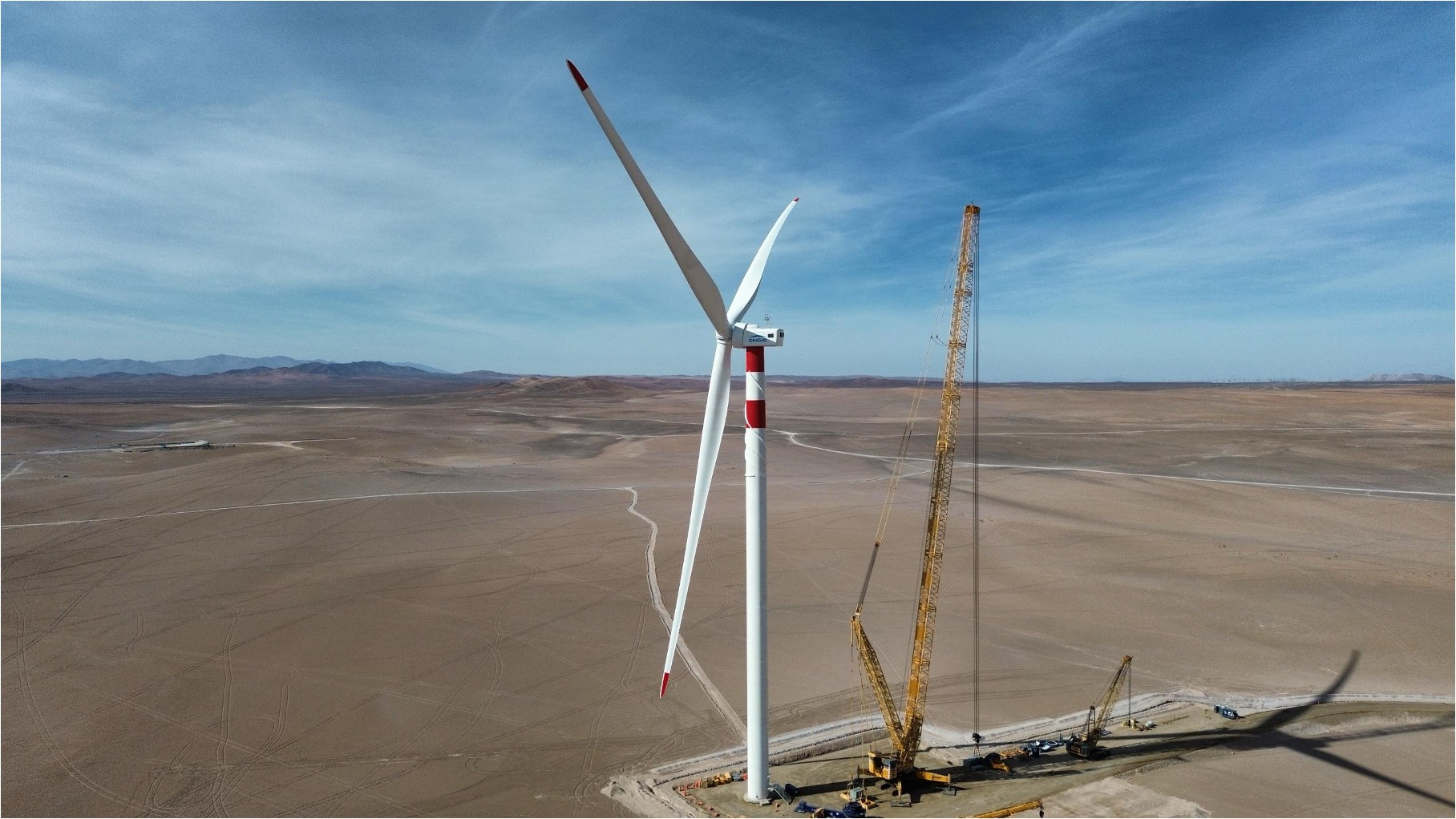
The continent’s installed wind capacity has now crossed a new threshold, reaching 11.1 GW in 2025, up from just under 9 GW in 2023 – a rise of over 23% over two years. New installations hit 1.53 GW last year, driven largely by growth in South Africa, Morocco and Egypt, while the continent now has 186 GW of planned wind capacity across 259 projects.
“Africa’s wind story is no longer a story of potential. It is becoming a story of execution. The opportunity now is to ensure that policy, finance and grid infrastructure move at the pace required to unlock the continent’s extraordinary wind resources,” said Juliana Kainga, Director, Africa Wind Power, at GWEC.
Africa’s wind project pipeline is significantly more geographically diverse than the existing fleet, with new potential projects emerging across markets including Mauritania, Algeria, Tanzania, Zambia, Madagascar, Cameroon and Angola.
Three markets together account for more than 85% of Africa’s wind capacity
Wind development remains concentrated in a small number of established markets. South Africa, Egypt and Morocco together account for more than 85% of Africa’s installed wind capacity, at around 4.2 GW, 3.2 GW and 2.2 GW respectively.
At the same time, countries including Ethiopia, Kenya, Tunisia, Senegal and Mauritania are emerging as important secondary wind markets.
The report also highlights a significant mismatch between the continent’s potential wind power and the amount utilised across the continent. Africa has an estimated 58,400 GW of technical onshore wind potential, yet less than 0.02% of this potential has been developed to-date.
The countries with some of the continent’s largest wind resources, including Algeria, Libya and Sudan, have so far developed relatively little wind capacity, demonstrating that strong resources alone are not sufficient to drive investment.
Corporate demand is opening a new route to wind investment
One of the most significant developments highlighted in the report is the rapid growth of corporate power purchase agreements (PPAs).
In South Africa, regulatory reforms have enabled more than 3.3 GW of corporate-PPA wind to be unlocked in less than thirty months. The model provides an alternative route to investment by allowing industrial and corporate buyers to serve as bankable offtakers.
Mines, cement producers, smelters and fertiliser companies are increasingly looking to wind power to meet their electricity needs, creating a broader base of demand beyond traditional utility procurement.
The report also highlights the growing role of local capital, with South African banks and pension funds financing an increasing share of new wind projects in local currency, while Morocco is developing a similar model through domestic financial institutions and pension funds.
Larger projects and new technologies are reshaping the market
Africa is also entering an era of increasingly large-scale wind development. Egypt is leading with projects above 500 MW, including the 1.1 GW Gulf of Suez wind farm project under construction.
Turbine technology is evolving rapidly across the continent. The average turbine installed in Africa increased from around 0.85 MW in 2007 to more than 5 MW in 2025, while turbines of 6.5 MW and 8 MW are now being deployed.
Wind is also increasingly being developed alongside solar and battery storage, with hybrid projects expected to become more common as industrial consumers seek reliable clean electricity around the clock.
From 11 GW to 50 GW
The report estimates that Africa could reach 30-50 GW of installed wind capacity by 2035, provided that the necessary policy, financing and infrastructure conditions are put in place.
The report identifies five particularly important conditions for accelerating growth:
The report also calls for ministries to publish longer-term auction calendars, utilities to honour the contracts they sign, transmission infrastructure to be built ahead of generation, banks and pension funds to expand local-currency lending, and industries to increase their procurement of wind power.
The Status of Wind in Africa 2026 report provides a detailed assessment of the continent’s wind market, covering installed and planned projects, resource potential, critical success factors, emerging trends, policy levers and investment opportunities across Africa’s 54 countries.
|
Key Facts |
| Africa could reach 30-50 GW of installed wind capacity by 2035 11.1 GW of installed wind capacity at the end of 2025 1.53 GW of new wind capacity installed in 2025 186 GW of planned wind capacity across 259 projects 58,400 GW estimated technical onshore wind potential Less than 0.02% of Africa’s technical wind potential has been developed South Africa, Egypt and Morocco account for more than 85% of installed capacity |
.jpeg?width=2560&height=1439&name=WhatsApp%20Image%202026-10-07%20at%201.00.59%20PM%20(2).jpeg)
.jpeg?width=2560&height=1920&name=WhatsApp%20Image%202026-10-07%20at%201.00.59%20PM%20(1).jpeg)
About GWEC
Global Wind Energy Council (GWEC) is a member-based organisation that represents the entire wind energy sector. The members of GWEC represent over 1,500 companies, organisations and institutions in more than 80 countries, including manufacturers, developers, component suppliers, research institutes, national wind and renewables associations, electricity providers, finance and insurance companies.

Alexander Bath
Communications Director-

alex.bath@gwec.net

Will Henley
External Affairs Director-

will.henley@gwec.net
Share article:


Related articles

05 June, 2026
Juliana Kainga appointed GWEC Africa WindPower (AWP) Director
20 April, 2026
.jpeg)