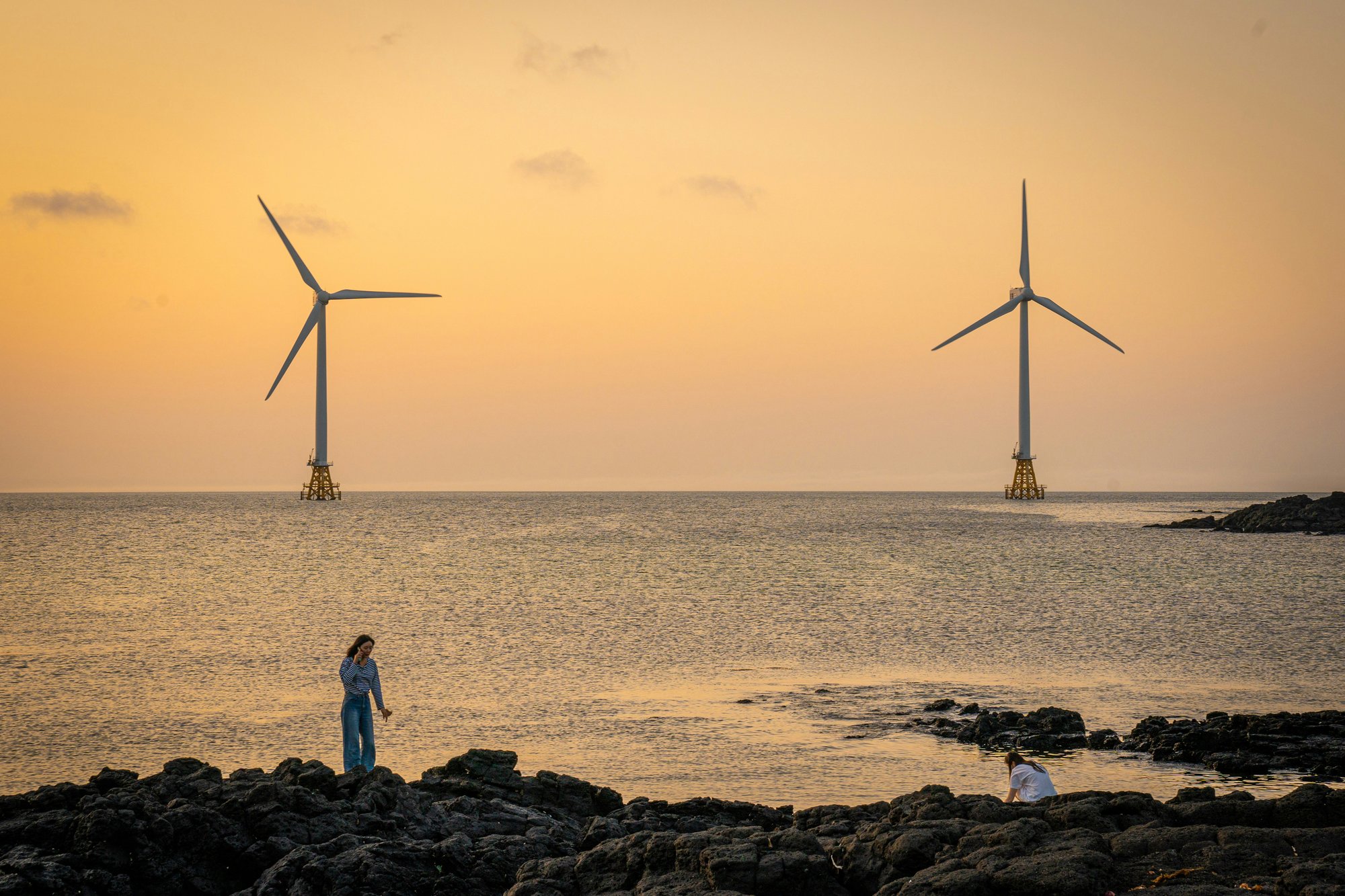
Offshore wind in the Philippines is moving decisively from vision to reality
With San Miguel Bay and the Guimaras Strait emerging as the country's most advanced project sites. This transition offers a transformative opportunity to drive inclusive, locally anchored growth across the archipelago.
Overview
Through detailed modelling of macroeconomic impacts and site-level readiness, the study outlines strategic pillars for securing a "Social License to Operate". It offers clear policy directions on benefit-sharing, workforce certification, and fisheries co-existence to establish the Philippines as a mature, bankable, and globally competitive destination.
Key Recommendations
-
Significant Economic Engine: The modeled projects can contribute an average of PHP 72–77 billion annually to the national GDP.
-
Widespread Employment: Development supports over 223,000 full-time equivalent jobs annually, with more than 56% of this impact driven by wage-induced spending in sectors like agriculture, retail, and transport.
-
Institutionalized Benefit-Sharing: Long-term stability depends on shared prosperity, requiring transparent benefit-sharing mechanisms and multi-stakeholder governance anchored in trust and continuous engagement.
-
Workforce Readiness: Bridging significant capability gaps through accredited safety and technical training is vital to converting the local workforce into wind-sector hires.
-
Livelihood Co-existence: Mitigating site-level impacts on fisheries through integrated compensation and seasonal spatial corridors is essential for securing sustained social consent.